Compare Local Contractors for Trench Installation Success
Compare local contractors for trench installation to define project scope, verify experience, and set clear expectations in writing for a successful job.
Contractors specializing in trench installation typically handle a range of underground work essential for various property projects. This work often includes digging trenches for utility lines such as water, gas, or electrical conduits, as well as preparing foundations for fences, drainage systems, or irrigation. The scope of trench installation can vary depending on the project's complexity, requiring expertise in excavation, soil assessment, and proper backfilling to ensure the stability and safety of the installed infrastructure.
Clearly defining the scope of work is critical when hiring trench installation contractors. A detailed scope helps establish the specific tasks to be completed, the dimensions and locations of trenches, and any additional requirements such as soil removal or reinforcement. Having this information in writing can prevent misunderstandings, ensure all parties are aligned on expectations, and serve as a reference throughout the project. It also facilitates effective communication and helps property owners verify that the chosen service providers have the experience and resources necessary to meet the project’s needs.
Property owners can compare local contractors by reviewing their experience with similar trench installation projects, checking references or past work, and assessing their ability to provide clear, detailed proposals. It’s beneficial to ask contractors about their familiarity with the property’s soil conditions, permits, and safety practices. Additionally, obtaining multiple bids and reviewing scope descriptions side-by-side can reveal differences in approach and professionalism. Making informed comparisons enables property owners to select service providers who demonstrate the expertise and communication needed for a successful trench installation.
Compare local contractors by outlining your project priorities, verifying experience, and clearly setting expectations in writing.
- Compare Contractor Experience - Review the backgrounds and project history of local contractors to ensure they have relevant trench installation expertise.
- Define Project Scope Clearly - Outline specific trench requirements and expectations in writing to prevent misunderstandings.
- Verify Qualifications and References - Check references and previous work to assess the reliability and skill level of service providers.
- Request Detailed Written Agreements - Ensure all project details, responsibilities, and expectations are documented before work begins.
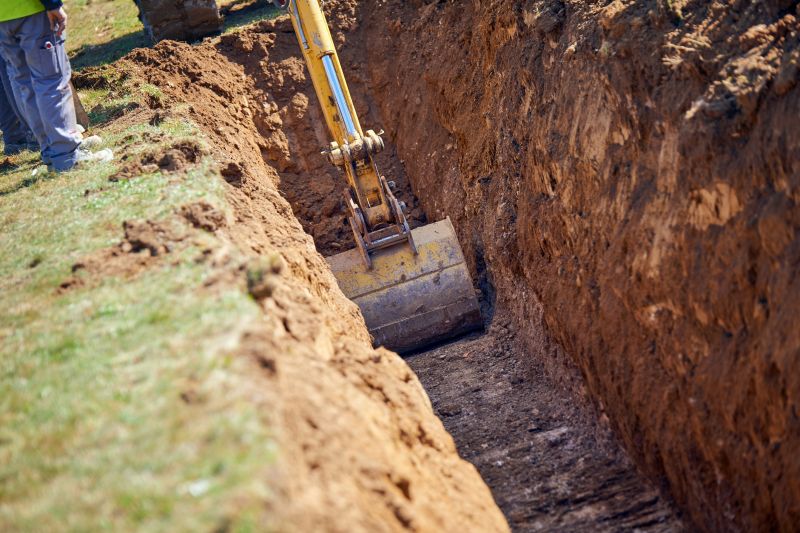
Clearly describe your trench installation project to help compare contractors, verify experience, and set written expectations.
- Verify the contractor’s experience with trench installation projects similar in scope and complexity. - Ensure the service providers clearly define the scope of work in writing to set proper expectations.
- Check that the contractor assesses site conditions thoroughly before beginning trench work. - Confirm they evaluate soil type, underground utilities, and drainage considerations.
- Review the proposed trench design to ensure it meets project requirements and safety standards. - Make sure the plan aligns with the intended use and local codes.
- Ensure the contractor provides detailed written estimates outlining materials, methods, and responsibilities. - Clarity in documentation helps prevent misunderstandings during the project.
- Ask about the contractor’s process for obtaining necessary permits and coordinating inspections. - Proper permitting and inspections are essential for compliance and project success.
- Compare multiple service providers to evaluate their communication, professionalism, and clarity in scope definition. - Choosing a contractor with clear communication skills helps facilitate a smooth project.
Use this as a guide to compare local contractors, clarify scope, and set clear expectations.
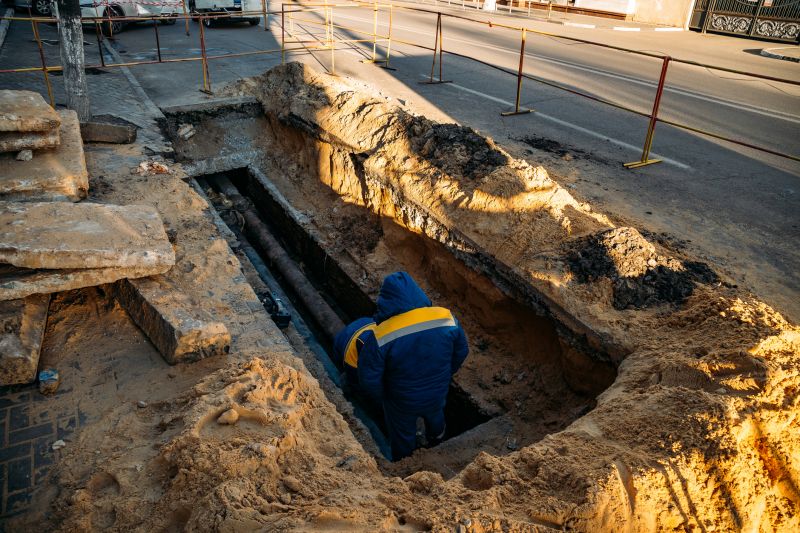
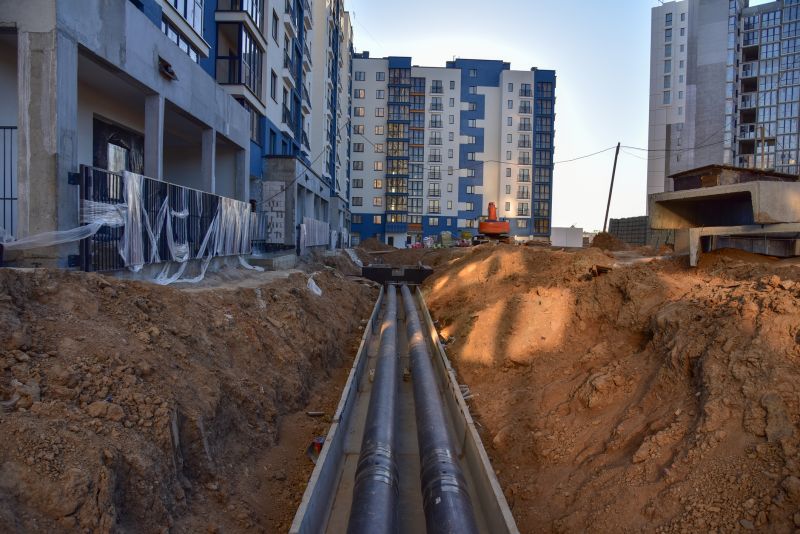
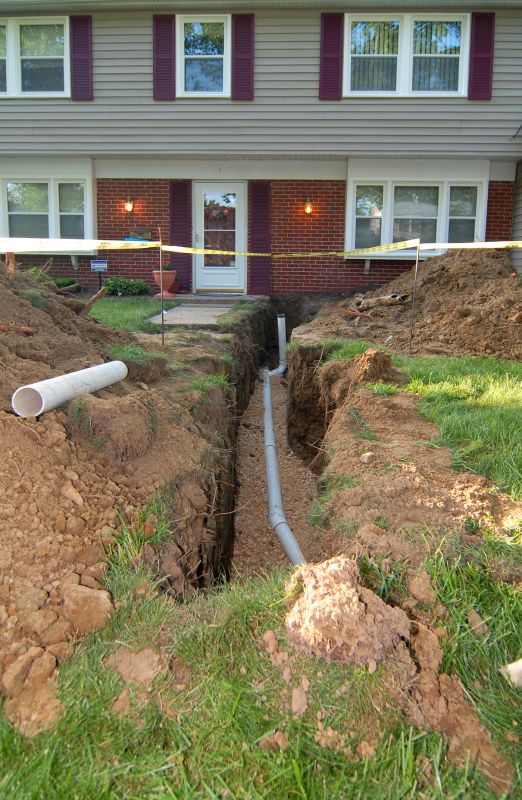
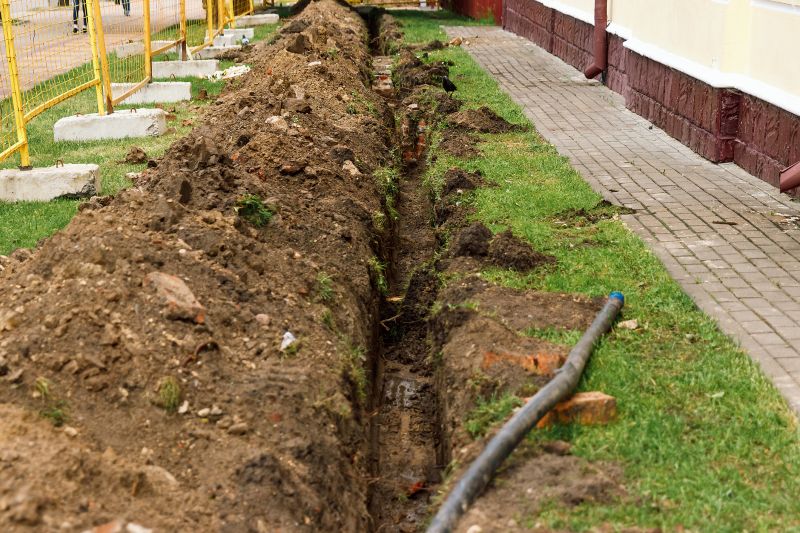
To ensure consistent comparisons, focus on defining scope, verifying experience, and setting clear expectations with local contractors.
- Scope Definition - Clearly outline the specific trench installation tasks required for the project.
- Experience Verification - Confirm that local contractors have relevant experience with trench installation in similar environments.
- Material and Equipment Details - Specify the types of materials and equipment that will be used during trench installation.
- Site Preparation and Conditions - Describe site conditions and preparation steps necessary before trench work begins.
- Documentation and Expectations - Ensure all scope details, responsibilities, and expectations are documented in writing before work commences.
When comparing contractors for trench installation, it is important to evaluate their experience with similar projects. Homeowners should inquire about the types of trenches the service providers have installed in the past, including the scope and complexity of those projects. Contractors with a history of handling trench work in environments comparable to the current site are more likely to understand the specific challenges involved. Gathering details about their previous work can help establish confidence in their ability to meet the project's unique requirements.
A clear, written scope of work is essential for effective communication and setting expectations. Homeowners should seek detailed descriptions of the tasks involved, including the dimensions, depth, and purpose of the trench, as well as any specific site considerations. A comprehensive scope helps prevent misunderstandings and ensures that all parties are aligned on what the project entails. Service providers who can provide a thorough written outline demonstrate professionalism and a commitment to transparency.
Verification basics involve confirming that the contractor understands the necessary steps and safety considerations for trench installation. Homeowners can ask about the methods the contractor plans to use, how they will manage site access, and what measures will be taken to prevent damage or hazards. While formal licensing or certification are not the focus here, understanding the contractor’s approach to verification-such as confirming site conditions, reviewing plans, and inspecting completed work-can help assess their reliability and thoroughness. Clear communication about these verification practices is a good indicator of a responsible service provider.
Evaluating options without focusing on prices involves comparing the quality of proposals, scope clarity, and experience. Homeowners should look for detailed proposals that outline the work to be performed, along with evidence of the contractor’s relevant experience. It is helpful to ask service providers how they plan to approach the project and to verify that their methods align with the site’s specific needs. By focusing on the professionalism and thoroughness of each contractor’s proposal, homeowners can make informed decisions based on expertise and clarity, rather than cost alone.
Ask contractors to provide written scope details to ensure clear expectations and consistent project understanding.
- Experience and Expertise - What specific trench installation experience do local contractors have in similar projects?
- Scope of Work - How do service providers define and outline the scope of trench installation services they offer?
- Materials and Methods - What materials and installation methods do local contractors typically use for trench work?
- Project Expectations - How can contractors clarify project expectations and deliverables in writing before starting work?
- Comparison Criteria - What key factors should be considered when comparing different local trench installation service providers?
How can I find reliable contractors for trench installation? To find dependable service providers, compare local contractors based on their experience, reputation, and reviews. Ensuring they have a clear scope of work and references can help identify trusted options.
What should I consider when defining the scope of trench installation? Clearly outline the project details, including trench length, depth, purpose, and any specific site requirements. Having a detailed scope helps contractors provide accurate information and avoid misunderstandings.
How can I verify a contractor's experience with trench installation? Ask potential contractors about their previous projects, request references, and review their work history to ensure they have relevant experience handling similar trench installations.
Why is it important to have the project scope in writing? Having the scope documented ensures both parties understand the work to be done, helps prevent disputes, and provides a reference point throughout the project.
What questions should I ask when comparing trench installation contractors? Inquire about their experience, methods, materials used, and how they handle unforeseen issues. Comparing their responses can help determine their suitability for the project.
How can I ensure clear communication with a contractor about trench installation? Establish detailed expectations in writing, including scope, responsibilities, and deliverables. Clear, written communication helps keep the project aligned with your needs.
This page has provided an overview of key factors to consider when selecting contractors for trench installation. Visitors learned how to define the scope of work, verify experience, and ensure all project details are clearly outlined in writing. By understanding these steps, it's easier to compare different service providers and find the right match for specific project needs.
To explore and compare local contractors capable of handling trench installation, use the quote form to connect with service providers in the area. This process can help identify options and gather information to make an informed decision tailored to individual project requirements.