Compare Local Contractors for Drainage Sloping Projects
Compare local contractors for drainage sloping to define project scope, verify experience, and set clear expectations for a successful property improvement.
Drainage sloping services typically involve adjusting the grade or pitch of a property's surface to ensure effective water runoff. This work often includes evaluating existing drainage patterns, excavating soil or other materials, and shaping the landscape to direct water away from foundations, basements, and other critical areas. Proper drainage sloping helps prevent water accumulation, reduces the risk of flooding, and protects the structural integrity of a property. Contractors may also incorporate additional features such as drainage channels, swales, or grading modifications to optimize water flow and minimize erosion.
Defining the scope of drainage sloping projects is essential for establishing clear expectations and ensuring the work meets specific property needs. A well-detailed scope outlines the extent of grading adjustments, the areas to be addressed, and any additional features or drainage solutions required. Having this clarity helps property owners communicate their priorities to service providers and reduces misunderstandings. It also provides a framework for comparing different contractors by assessing how thoroughly they understand the project and the solutions they propose, which can lead to more informed decisions.
When evaluating local contractors for drainage sloping work, property owners should consider experience and expertise in similar projects within the area. Comparing service providers involves reviewing their backgrounds, understanding their approach to scope definition, and verifying their familiarity with local soil conditions and landscape challenges. It's important to request written descriptions of the proposed work, including details about the scope and methods, to facilitate comparisons. By focusing on these practical factors, property owners can identify professionals who are well-equipped to handle the specific requirements of drainage sloping, ensuring the project aligns with the property's needs and expectations.
Compare local contractors by outlining your project priorities, verifying experience, and clearly defining scope and expectations in writing.
- Compare Contractor Experience - Review the background and expertise of local contractors to ensure they have relevant drainage sloping skills.
- Define Project Scope Clearly - Outline specific requirements and expectations to facilitate accurate proposals and avoid misunderstandings.
- Verify Credentials and References - Check references and past work to assess the reliability and quality of local service providers.
- Document Work Details in Writing - Ensure all project details, scope, and agreements are documented to set clear expectations.
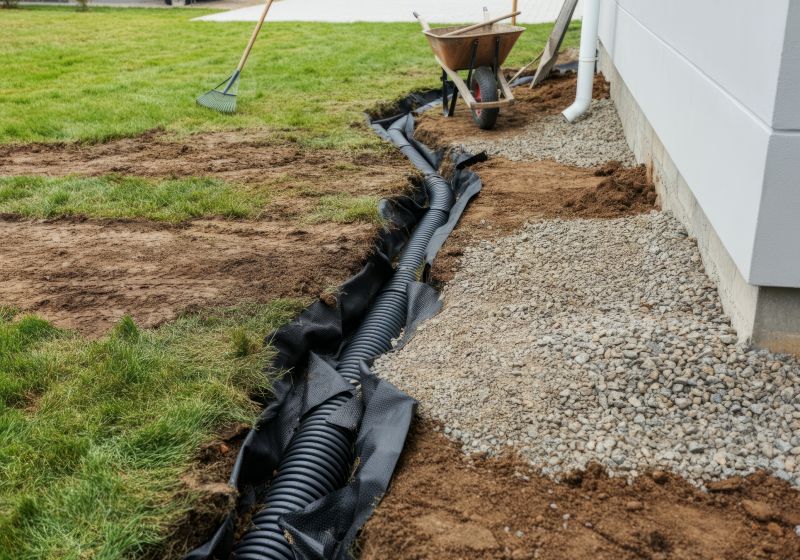
Before comparing drainage sloping contractors, clearly describe your project scope and verify their experience in writing.
- Verify that the contractor has experience with proper drainage sloping techniques for similar projects.
- Ensure the scope of work clearly defines the slope percentage and drainage layout to prevent future issues.
- Check that the contractor plans to assess existing terrain and soil conditions before designing the slope.
- Confirm that the contractor will provide written specifications outlining materials and installation methods for drainage slopes.
- Compare multiple local contractors to evaluate their approach to drainage sloping and project understanding.
- Discuss and document expectations regarding the slope accuracy, drainage flow, and any necessary site preparation in writing.
Compare local contractors’ experience and clarify project scope to ensure clear expectations for drainage sloping.
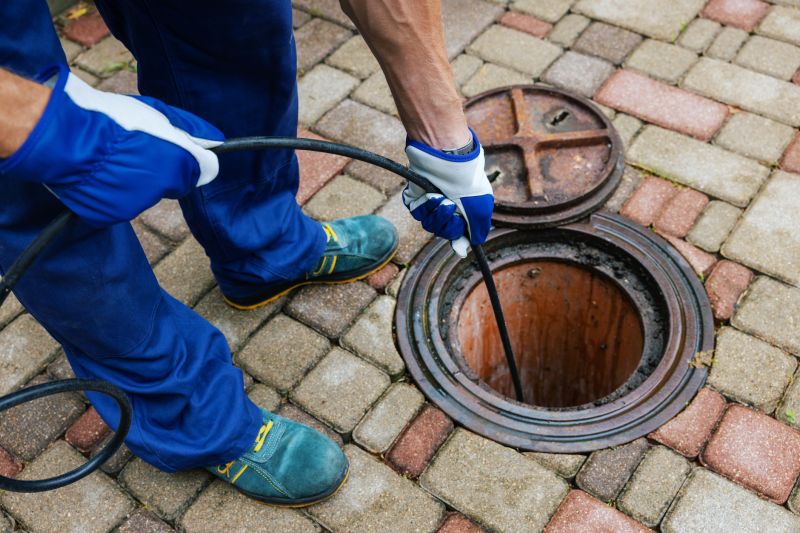
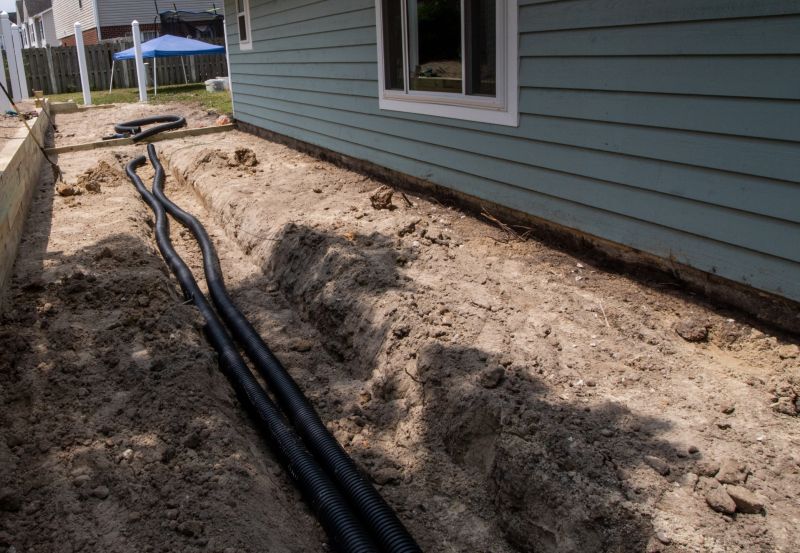
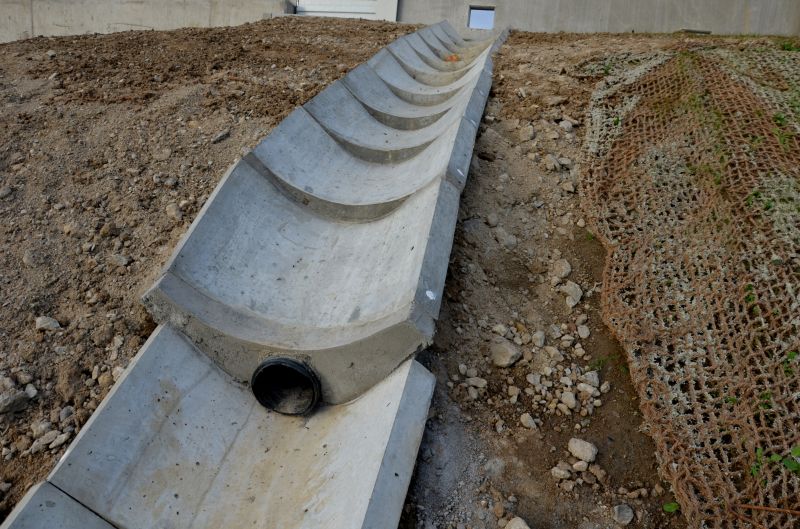
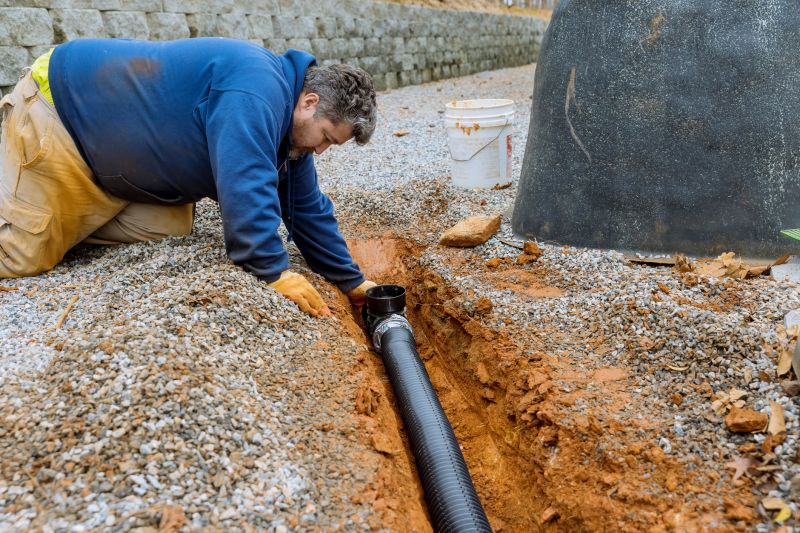
Learn how to compare local contractors for drainage sloping projects by defining scope, verifying experience, and maintaining consistent expectations.
- Site Assessment - Clearly define the area requiring drainage sloping to ensure proper evaluation.
- Slope Specifications - Specify the desired slope percentage or angle to achieve effective drainage.
- Material Selection - Determine the types of materials and drainage systems suitable for the project scope.
- Installation Methods - Outline the preferred techniques or approaches for installing drainage slopes.
- Verification Process - Establish criteria for inspecting and confirming the correct slope during and after installation.
When comparing contractors for drainage sloping projects, it is important to evaluate their experience with similar types of work. Homeowners should inquire about the scope of past projects, focusing on whether the service providers have handled drainage adjustments on properties with similar soil conditions, landscape layouts, or drainage challenges. A contractor’s familiarity with local site factors and the complexity of drainage systems can offer insight into their ability to deliver results that meet specific needs, ensuring that the project is approached with the appropriate expertise.
Clear communication about the scope of work is essential when assessing potential service providers. Homeowners should seek contractors who can provide a detailed, written description of the tasks involved, including site preparation, grading techniques, materials used, and the expected outcomes. Having a well-defined scope helps prevent misunderstandings and ensures that both parties share the same expectations. It also makes it easier to compare different contractors based on the thoroughness and clarity of their project outlines.
Verification basics involve confirming that contractors have a history of successful drainage sloping projects and a track record of satisfied clients. Homeowners can ask for references or examples of completed work similar in scope and complexity. Additionally, it’s useful to verify that the service providers follow industry best practices and standards, which can be assessed through their project descriptions and the methods they propose. This due diligence helps identify contractors who are knowledgeable and capable of executing drainage improvements effectively.
Evaluating options without considering prices involves focusing on the quality of the proposed work, the clarity of the scope, and the experience of the service providers. Homeowners should compare how well each contractor understands the project, the specificity of their plans, and their familiarity with local site conditions. Asking questions about their approach to drainage sloping and reviewing their past work can provide insights into their reliability and skill. By emphasizing these factors, homeowners can select service providers who are best suited to meet their drainage needs with confidence.
Request written scope details from local contractors to ensure clear expectations and consistent project understanding.
- Experience with Drainage Sloping - How do contractors demonstrate their experience with drainage sloping projects similar to the scope needed?
- Scope of Work Definition - What details do contractors include to clearly define the scope of drainage sloping services?
- Comparison of Service Offerings - How do different service providers’ approaches to drainage sloping vary in terms of process and methods?
- Project Expectations in Writing - What specific expectations and deliverables should be outlined in a written agreement with contractors?
- Qualifications and Past Projects - How can you verify a contractor’s relevant experience and successful completion of similar drainage sloping jobs?
What should I consider when choosing a contractor for drainage sloping? It's important to compare local contractors based on their experience, reputation, and the scope of services they offer to ensure the work meets your needs.
How can I verify a contractor’s experience with drainage sloping? You can review their previous projects, ask for references, or check their work history to assess their expertise in drainage sloping.
What questions should I ask a contractor before hiring for drainage sloping? Inquire about their approach to drainage sloping, how they define project scope, and how they handle unexpected issues during the work.
Why is it important to have the scope of work in writing? Having a clear, written scope helps set expectations, prevents misunderstandings, and provides a reference for the project's progress and completion.
How can I compare different contractors for drainage sloping? Look at their experience, scope of work, reviews or references, and how they communicate to determine which service provider aligns with your project needs.
What should I expect regarding communication with a drainage sloping contractor? You should receive detailed explanations of their process, clear scope definitions, and updates to ensure transparency throughout the project.
By reviewing the information provided, visitors should now understand the importance of clearly defining the scope of drainage sloping projects, verifying the experience of local contractors, and setting expectations in writing to ensure a smooth process. Comparing local service providers can help identify options that best meet specific project needs, making it easier to find the right fit. Using the quote form allows for a straightforward way to gather information and explore different local contractors who can handle drainage sloping work.
Taking a moment to utilize the quote form can help connect with qualified local service providers who specialize in drainage sloping. This step provides an opportunity to compare options, clarify project details, and ensure that expectations are communicated upfront. Engaging with multiple local contractors through this process can support informed decisions and help move forward with the right professional for the job.