Compare Local Contractors for Effective Site Leveling Solutions
Compare local contractors for site leveling to define project scope, verify experience, and ensure clear expectations before hiring.
Site leveling services typically involve preparing and adjusting the ground surface of a property to create a stable, even foundation. This work can include grading, soil compaction, and the removal or addition of earth to ensure the land is properly shaped for construction, landscaping, or drainage purposes. Proper site leveling helps prevent issues like uneven settling, water pooling, or structural instability, making it an essential step in many property development projects.
Defining the scope of site leveling work is important because it clarifies exactly what needs to be done and helps prevent misunderstandings with contractors. A well-detailed scope might specify the areas to be leveled, the desired grade levels, and any specific site conditions or challenges that could affect the work. Clear documentation of expectations ensures that property owners and contractors are aligned, which can contribute to smoother project execution and help avoid potential disputes or rework.
When comparing local contractors for site leveling, property owners should consider their experience with similar projects and their familiarity with local soil and terrain conditions. It’s helpful to verify whether contractors have a track record of completing work to the required standards and to review their approach for defining project scope and handling unexpected site issues. Gathering information about each contractor’s methods and setting clear expectations in writing can support informed decisions and lead to a more successful outcome for the property’s leveling needs.
Compare local contractors by outlining project priorities, verifying experience, and clearly defining scope and expectations.
- Compare Contractor Experience - Review the backgrounds and project history of local contractors to ensure they have relevant site leveling expertise.
- Define Project Scope Clearly - Outline specific site leveling requirements and expectations to communicate effectively with service providers.
- Verify Service Provider Credentials - Confirm the qualifications and experience of local contractors to ensure they meet project needs.
- Document Agreements in Writing - Keep detailed records of scope, responsibilities, and expectations to prevent misunderstandings.

Before comparing local contractors for site leveling, clearly define your project scope and verify their experience.
- Verify experience and expertise in site leveling projects to ensure contractors are qualified for the scope of work. - Check for references or reviews that demonstrate successful completion of similar site leveling jobs.
- Define the scope of work clearly in writing to establish expectations and prevent misunderstandings with service providers. - Ensure the scope includes details such as site size, grading requirements, and soil conditions.
- Compare multiple local contractors to assess their qualifications, experience, and approach to site leveling tasks. - Gather information on their methods and past project outcomes to inform selection.
- Ask contractors about their process for site assessment and preparation to understand how they plan to achieve level results. - Clarify how they will handle soil stabilization, drainage, and compaction.
- Verify that the contractor will provide a detailed written estimate outlining the work to be performed and materials used. - Ensure all project specifics are documented to facilitate clear communication.
- Discuss project expectations, including site access, work hours, and any necessary permits, to ensure alignment before work begins. - Confirm these details are documented to avoid potential issues during the project.
Use this to compare contractors, clarify scope, verify experience, and set clear expectations in writing.

Compare local contractors' scope of work and verify their experience to ensure consistent expectations across providers.
- Site assessment - Determine the current topography and identify specific areas needing leveling work.
- Scope clarification - Define the extent of site leveling required to meet project specifications.
- Experience verification - Ensure local contractors have relevant experience with similar site conditions.
- Material and equipment needs - Specify the types of materials and machinery necessary for the project.
- Written agreement - Document all project details, expectations, and responsibilities to ensure clear understanding.
When evaluating contractors for site leveling, it’s important to consider their experience with similar projects. Homeowners should seek service providers who have a proven track record of completing projects comparable in size, scope, and terrain. Asking about past work or requesting references can provide insight into a contractor’s familiarity with the specific challenges involved in leveling a particular type of site. This helps ensure that the contractor understands the nuances of similar jobs and can apply appropriate techniques and solutions.
A clear, written scope of work is essential for effective project planning and setting expectations. Homeowners should work with contractors who can provide detailed descriptions of the tasks involved, including the methods to be used, the materials required, and the specific areas to be addressed. A well-defined scope helps prevent misunderstandings and ensures both parties have aligned expectations. It also serves as a reference point throughout the project, making it easier to verify that work is progressing according to plan.
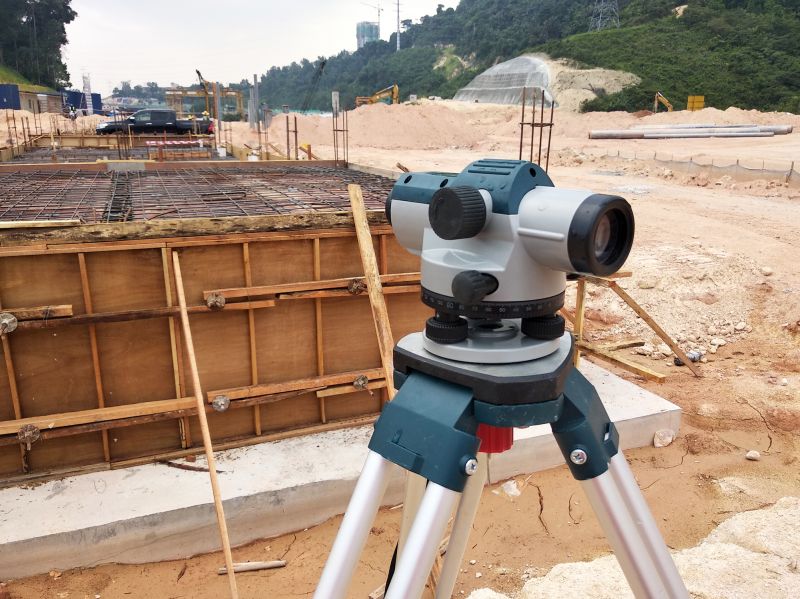
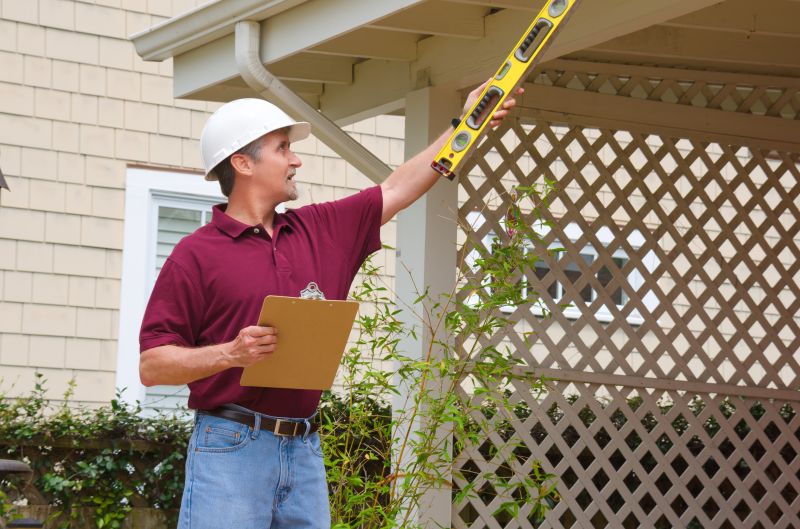
Verification basics involve understanding how a contractor plans to assess the site before beginning work. This includes inspecting the existing topography, identifying potential issues such as drainage or soil stability, and confirming that the proposed approach is appropriate for the site conditions. Homeowners should inquire about how the contractor evaluates the site’s current state and whether they use measurements or surveys to establish a baseline. This step ensures that the work is grounded in accurate data and that the contractor’s approach is suitable for achieving the desired results.
When comparing options among local contractors, it’s helpful to focus on their experience, the clarity of their scope, and their verification process. Homeowners can ask each service provider to explain their approach to site assessment, project planning, and how they document the work to ensure transparency. Evaluating how well each contractor communicates their process and demonstrates an understanding of the project’s specific needs can help identify the most capable and reliable service providers. This approach allows for an informed decision based on expertise and clarity, rather than price alone.
Ask contractors to provide written scope details to ensure clear expectations and consistent project understanding.
- Experience and Qualifications - How can contractors demonstrate their experience with site leveling projects similar to this one?
- Scope of Work - What specific tasks and responsibilities are included in each contractor’s scope of work?
- Methods and Techniques - What leveling methods and equipment do local contractors plan to use for the project?
- Project Expectations - How do contractors define and document project scope and deliverables in writing?
- Comparison Criteria - What factors should be used to compare contractors’ approaches and scope definitions effectively?
How can I compare contractors for site leveling? Comparing local contractors involves reviewing their experience, checking references, and assessing their reputation to ensure they meet your project needs.
What should I consider when defining the scope of a site leveling project? Clearly outlining the extent of grading, soil preparation, and any additional work helps contractors understand your expectations and deliver accurate proposals.
How do I verify a contractor’s experience with site leveling? You can ask for details about their past projects, request references, and review any certifications or qualifications related to earthwork and grading.
Why is it important to put project details in writing? Documenting the scope, expectations, and responsibilities helps prevent misunderstandings and provides a clear reference for both parties throughout the project.
What questions should I ask a contractor before hiring for site leveling? Inquire about their previous experience, methods used, equipment, and how they plan to handle specific site conditions relevant to your project.
How can I ensure a contractor understands my site leveling requirements? Providing detailed descriptions, site plans, and discussing your goals helps contractors develop accurate plans and align their work with your expectations.
By reviewing the information provided, visitors can better understand how to identify qualified contractors for site leveling projects, define the scope of work clearly, verify relevant experience, and establish written expectations. This approach helps ensure that the selection process is thorough and tailored to specific project needs. Using the quote form allows for easy comparison of options among nearby service providers, making it simpler to find the right fit for the job.
Taking a moment to utilize the quote form can facilitate connections with experienced local contractors who specialize in site leveling. Comparing your options helps clarify the different approaches and expertise available in the area, empowering you to make an informed decision based on your project requirements. This step supports a straightforward process for finding trusted service providers suited to your needs.